




Ever wonder why you can’t stop at just one slice of pizza or why that cheese platter disappears so quickly at parties? Science has some surprising answers.

The Bottom Line: Cheese Actually Triggers Your Brain’s Reward System
If you’ve ever felt like you’re genuinely addicted to cheese, you’re not imagining things. Groundbreaking research from the University of Michigan published in PLOS ONE found that cheese contains compounds that activate the same brain receptors involved in drug addiction, though thankfully, not nearly as intensely.
What Makes Cheese So Irresistible? Meet Casomorphins
The secret lies in a protein called casein, found abundantly in all dairy products but especially concentrated in cheese. Here’s where it gets fascinating: when your body digests casein, it breaks down into smaller fragments called casomorphins, literally meaning “casein-derived morphine-like compounds.”
These casomorphins can cross the blood-brain barrier and attach to dopamine receptors in your brain, causing your brain to release dopamine, a neurotransmitter related to feelings of pleasure and reward. It’s the same basic mechanism that makes other pleasurable activities feel so good.
The Evolutionary Purpose Behind the “Addiction”
Before you swear off cheese forever, consider this: casomorphins are thought to have an important evolutionary purpose in mammals by promoting the strong bond between mother and baby and ensuring that infants keep drinking their mother’s nutrient-rich milk. So in a way, your cheese cravings are just your ancient brain doing what it’s programmed to do!
The University of Michigan Study: What the Research Actually Found
Dr. Ashley Gearhardt and her team at the University of Michigan studied 504 participants across two separate studies to identify which foods were most associated with “addictive-like eating behaviors”. They used the Yale Food Addiction Scale, a scientifically validated questionnaire that applies addiction criteria to eating behaviors.
Where Cheese Actually Ranked
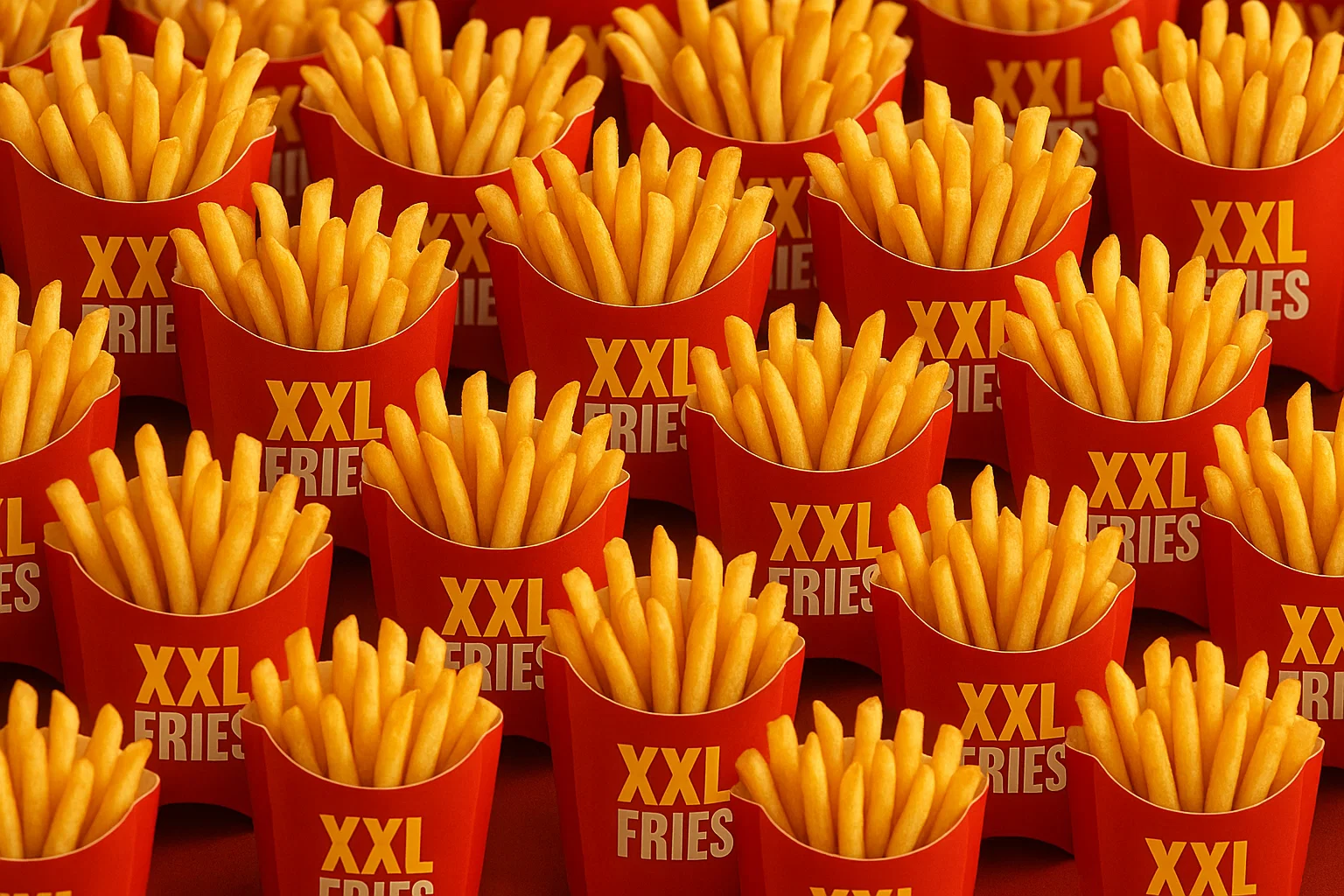
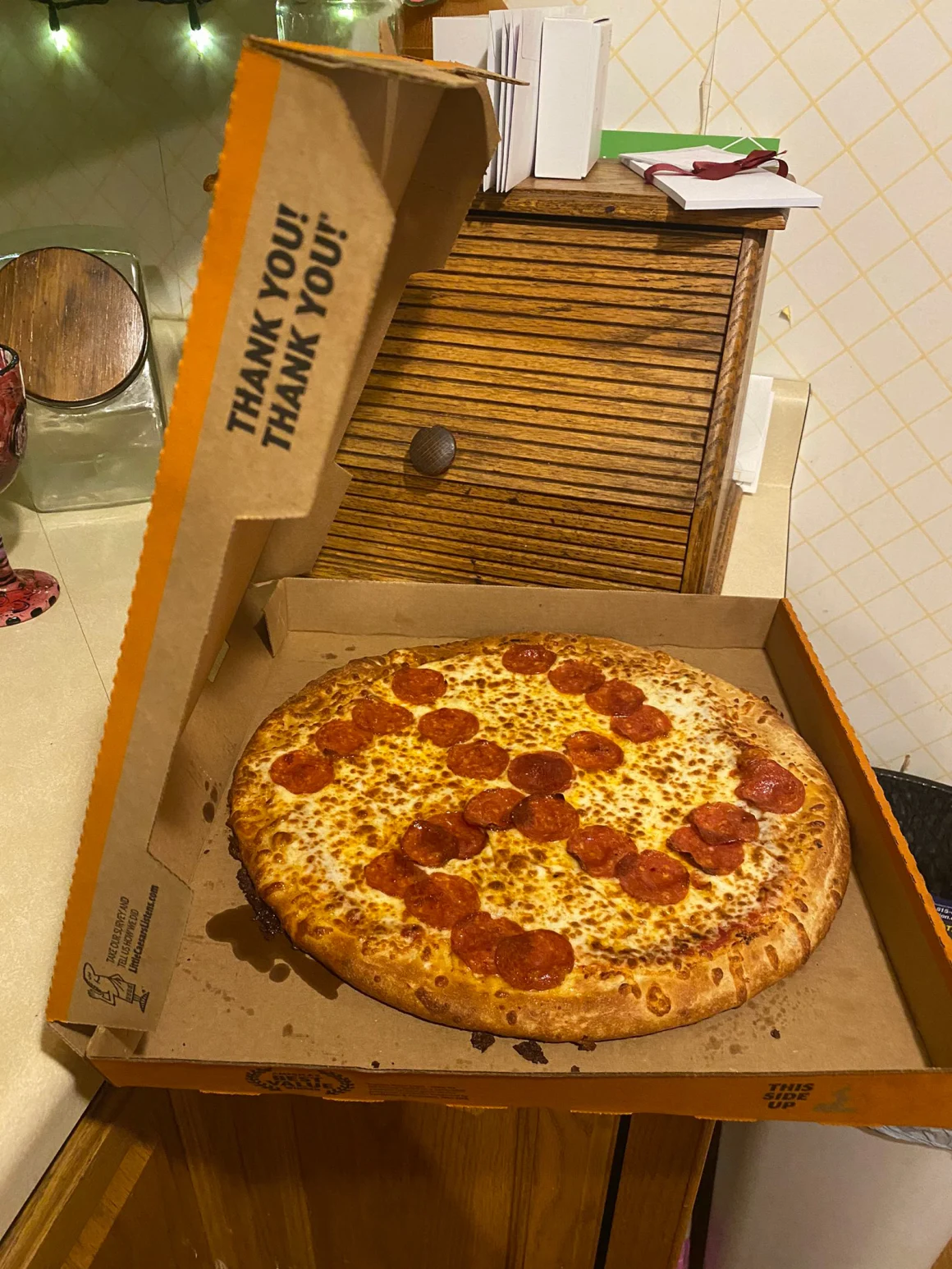
Here’s the plot twist that might surprise you: cheese didn’t even crack the top 10 most “addictive” foods. When researchers ranked how frequently a food was “problematic” for participants, cheese limped in at 16 out of 35, blown away by chocolate (number 1), french fries and pizza (numbers 3 and 4), buttered popcorn (number 8), and even gummy candy (number 12).
So why all the hype about cheese being like “dairy crack”?
The Real Culprits: Processing, Fat, and Sugar
The University of Michigan research revealed that highly processed foods with added fat and/or refined carbohydrates were most associated with addictive-like eating behaviors due to their concentrated dose and rapid rate of absorption. Think of it like this:
- Pure cheese: Moderately addictive due to casomorphins
- Pizza (cheese + processed dough + high fat): Highly addictive combination
- Nachos (cheese + processed chips + high sodium): Maximum addictive potential
As lead researcher Dr. Gearhardt noted: “The foods we crave the most are those processed to have high levels of sugars and fat, and it’s these ingredients that leave us coming back for another slice. The cheese? Probably superfluous.”
Debunking the “Cheese = Cocaine” Headlines
Let’s set the record straight on some wildly exaggerated claims that made headlines:
The Truth About Casomorphins vs. Morphine
While casomorphins can produce some effects like pain relief when injected directly into animals, they were estimated to be 20 times less potent than morphine. As Houston Methodist hospitals explained: “There’s no scientific evidence that cheese is addictive or that it significantly affects the brain similar to drugs or alcohol. Food cravings aren’t the same as addictions.”
Real vs. Clickbait
The sensational headlines claiming “cheese is crack” came from media misinterpretation of the research. Dr. Gearhardt herself said: “I was horrified by the misstatements and the oversimplifications… and the statements about how it’s an excuse to overeat”.
Why We Really Crave Cheese: The Full Picture
Understanding cheese cravings involves multiple factors working together:
- Biological: Casomorphins provide mild pleasure responses
- Psychological: Our brains are wired to seek high-fat, high-sodium foods for survival
- Cultural: Cheese appears in many comfort foods and social settings
- Processing: When combined with refined carbs and added fats, cheese becomes part of hyperpalatable foods
Research shows that certain foods can actually activate the reward centers in our brains, invoking positive feelings that encourage us to come back for more. These are referred to as “highly palatable foods” and generally include those that contain high amounts of added sugar, saturated fat, carbohydrates or salt.
Should You Worry About Your Cheese Habit?
The short answer: probably not. As medical experts note: “there’s probably nothing to worry about as long as you’re eating it in moderation”.
The Benefits of Understanding Food Psychology
Knowing more about why we eat what we do can be a useful guide to eat more healthfully. If you find yourself reaching for cheese-heavy processed foods, consider:
- Choosing less processed cheese options
- Pairing cheese with vegetables and whole grains
- Being mindful of portion sizes
- Recognizing when you’re eating for emotional reasons vs. hunger
The Takeaway: Cheese in Perspective
While cheese does contain compounds that can mildly stimulate your brain’s reward system, calling it “addictive” in the same way as drugs is a significant overstatement. The real villains when it comes to problematic eating are heavily processed foods that combine multiple rewarding elements like fat, sugar, salt, and rapid absorption rates.
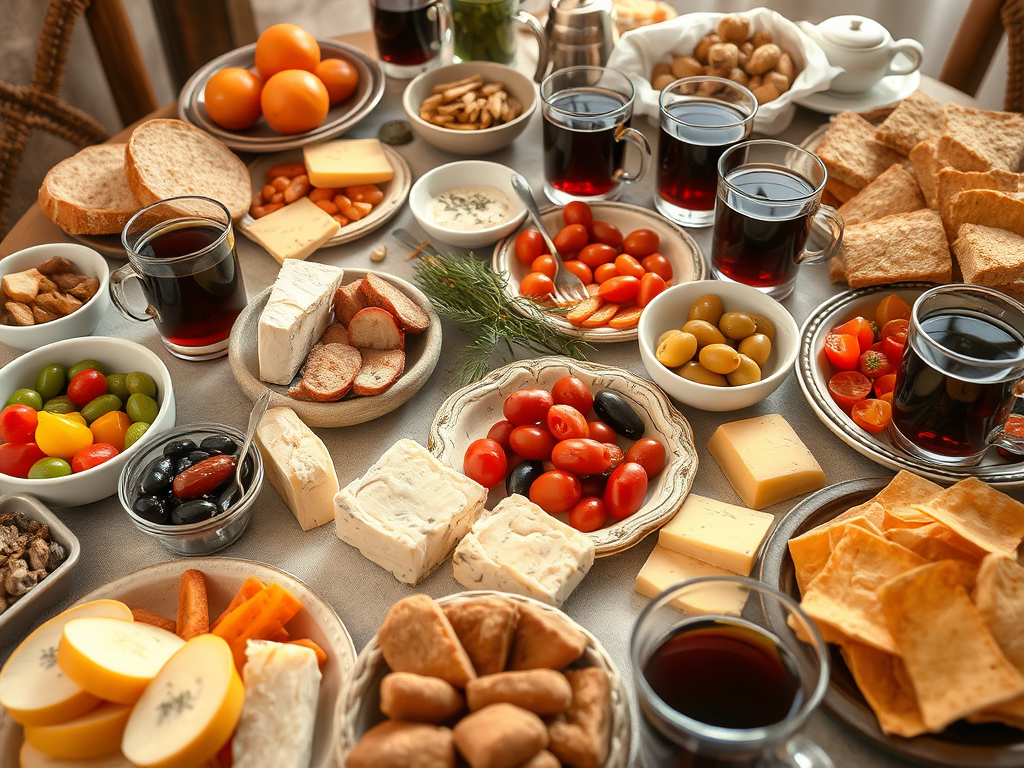
So go ahead and enjoy that cheese board. Just maybe pair it with some apple slices and be mindful of the company it keeps on your plate. Your brain might thank you for the moderation, but it’ll still get to enjoy those mild casomorphin rewards that evolution designed to make you happy.
Sources: University of Michigan Psychology Department research by Dr. Ashley Gearhardt and colleagues, published in PLOS ONE. Additional research from Mount Sinai School of Medicine, Houston Methodist, and peer-reviewed nutrition journals.